- Email: roswellchildcareacademy@gmail.com
- Phone: 470-282-1521
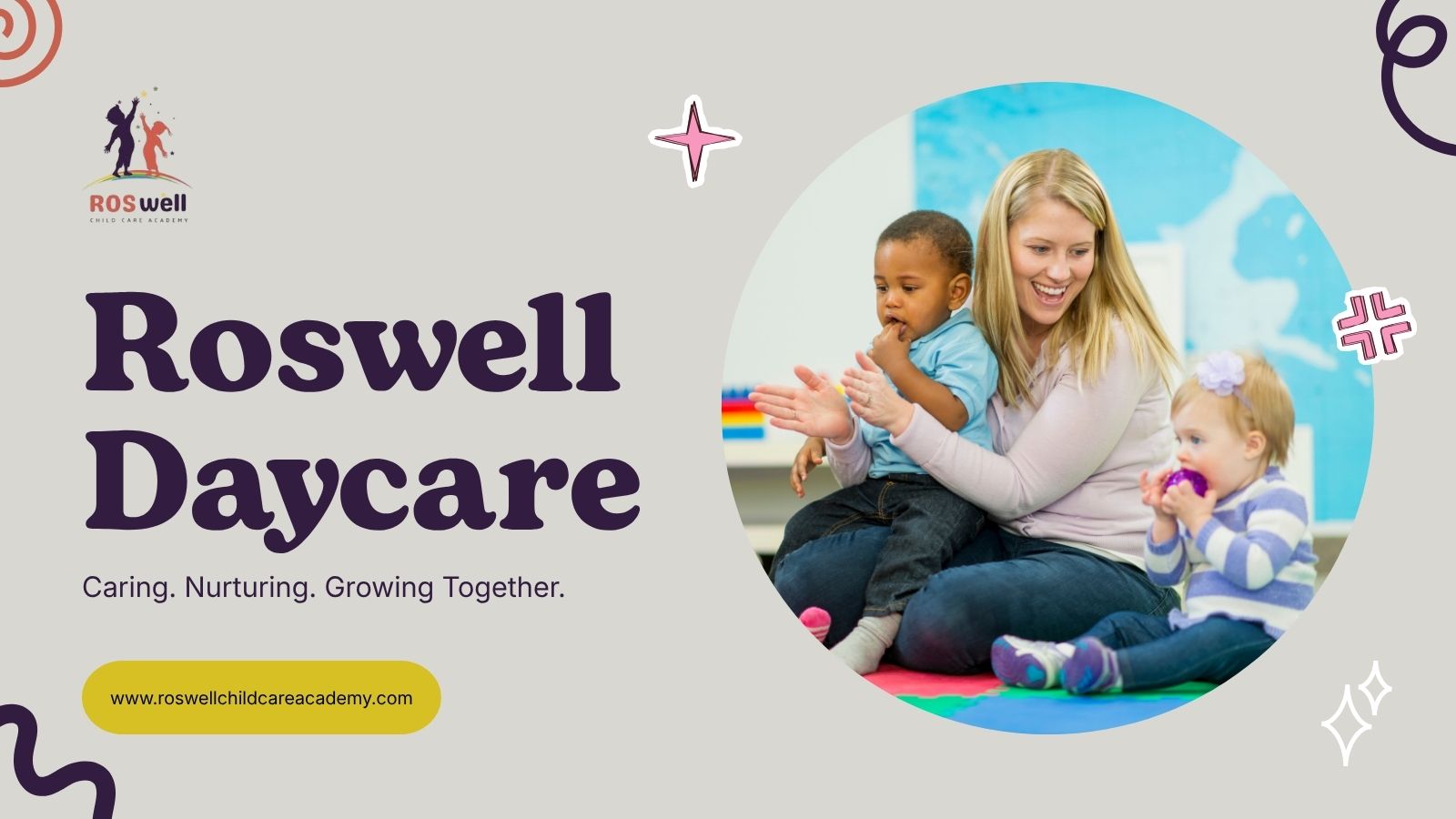
Parenting decisions have never been more thoughtful or more informed than they are right now. When it comes to choosing the right Roswell Daycare for their children, today’s families are looking far beyond basic supervision. They want programs that support real development, prepare kids for school, and create a safe, nurturing space where young minds can grow.
The landscape of early childhood education has changed considerably over the past few years. Research continues to show that what happens in the first five years of a child’s life has a lasting impact on how they learn, relate to others, and manage their emotions throughout life. Parents understand this more than ever, and that understanding is driving a clear shift toward structured, professionally designed childcare programs. This article explores what makes structured daycare programs so valuable, what parents should look for, and why the demand for quality early learning environments continues to grow in 2026.
The word “structured” can sometimes feel intimidating to parents. It might sound rigid or overly academic for young children. But in the context of early childhood education, structure simply means intentional every activity, routine, and interaction is purposefully designed to support a child’s development.
A structured daycare program is not about keeping children seated at desks all day. It is about creating predictable routines, planned learning activities, and intentional social experiences that give children the foundation they need.
A well-designed early childhood program typically includes:
Children who experience these consistent routines tend to transition into kindergarten with noticeably stronger foundations than those in less organized environments.
One of the most common questions parents ask is: “At what age does school preparation really begin?” The honest answer is earlier than most people expect.
By the time a child enters kindergarten, teachers expect them to sit and listen, follow multi-step instructions, interact cooperatively with peers, and manage basic emotional responses. These are not skills children develop overnight. They require months often years of consistent, supportive practice.
Language development in the early years is rapid and highly sensitive to environment. Children who are regularly spoken to, read to, and encouraged to express themselves build vocabulary and comprehension skills that directly predict reading success in elementary school.
In a structured daycare setting, language is woven into everything:
These experiences are cumulative. Every conversation, every story, every guided discussion adds to a child’s growing language foundation.
Early numeracy understanding numbers, patterns, size, and sequence develops naturally through play and routine when adults create the right opportunities. Counting steps, sorting objects by color, noticing patterns in a calendar: these simple activities, done consistently, build the cognitive scaffolding children need for formal math instruction later.
Academic readiness gets a lot of attention, and rightfully so. But emotional development is equally important and often the deciding factor in how well a child adapts to school and social environments.
Young children are still learning to identify their feelings, manage frustration, and develop empathy for others. These are complex skills, and they develop best in environments where children feel safe and where caregivers model and reinforce healthy emotional responses.
A quality structured daycare program actively supports emotional development through:
Children who develop strong emotional regulation in their early years show better academic performance, stronger peer relationships, and lower rates of behavioral challenges throughout their school years.
Humans are social beings, and children begin developing their social understanding very early. But learning to function within a group to share, wait, cooperate, and communicate requires practice and guidance.
For children who spend their early years primarily at home, the shift to a classroom environment can be genuinely challenging. A structured daycare program offers a gradual, supported introduction to group dynamics.
Through daily peer interactions in a structured environment, children develop:
These social competencies don’t just make kindergarten easier. They form the foundation for healthy relationships throughout life.
No matter how excellent the curriculum, safety is always the first priority for parents. A quality structured daycare program should meet and exceed safety standards in every area — from physical facility conditions to staff-to-child ratios to emergency protocols.
When evaluating any early childcare program, parents should verify:
Beyond physical safety, the emotional safety of the environment matters just as much. Children learn best when they feel secure, respected, and free from fear or stress.
The physical space children spend their days in has a measurable effect on how they learn, focus, and behave. Early childhood specialists pay close attention to how spaces are designed, because a well-organized, stimulating environment actively supports development.
A thoughtfully designed early learning space typically features:
When children can navigate their environment independently and choose from engaging, purposeful activities, they develop confidence, curiosity, and a positive attitude toward learning.
Families searching for Daycare Roswell NM options are increasingly focused on more than proximity and price. The questions parents are asking have shifted meaningfully in recent years.
They want to know about curriculum frameworks, staff qualifications, communication practices, and how the program supports children with different learning styles or needs. They want transparency. They want partnership.
One often undervalued element of a quality early childhood program is how well it keeps parents informed and involved. Strong programs offer:
When parents feel connected and informed, they can reinforce learning at home and work as genuine partners in their child’s development.
For families exploring Preschools Roswell GA, one of the most consistent findings in early education research is that children who attend high-quality, structured programs before kindergarten consistently outperform peers who did not and those advantages persist well into elementary school.
This isn’t about pushing academics too early. It’s about ensuring children have the foundational skills, confidence, and habits of mind that make formal learning feel natural rather than overwhelming.
Many families view daycare and preschool as distinct phases. In reality, the best structured daycare programs are designed to function as a seamless developmental bridge. From infancy through preschool age, a well-organized program gradually increases the complexity of learning experiences, social expectations, and independence requirements.
By the time a child is ready to move into a formal preschool classroom, the transition should feel like the next natural step not an abrupt change.
Choosing the right early childhood program is one of the most important decisions a family makes. Here are practical things to assess during any facility visit or consultation:
Trust your instincts too. After a visit, ask yourself whether this feels like a place where your child would feel safe, happy, and genuinely cared for.
The decision to enroll a child in a structured early childhood program is one that pays dividends for years to come. The right Roswell Daycare doesn’t just provide a safe place for children while parents work it actively builds the skills, confidence, and social awareness children need to thrive in school and beyond.
For families exploring Daycare Roswell NM options, the focus should be on programs that balance warmth with intentionality places where children are known, supported, and genuinely prepared for what comes next. And for those considering Preschools Roswell GA, the same principles apply: look for structured, research-based programs staffed by qualified, caring professionals who understand how young children grow.
At the end of the day, early childhood education is not just childcare. It is the beginning of a lifelong learning journey. Choosing a program that takes that responsibility seriously is one of the greatest investments you can make in your child’s future.
If you are ready to find the right early learning environment for your child, reach out to our team today. We would love to share more about what our program offers and help you make the most informed decision for your family.
Most structured daycare programs accept children from as young as six weeks old, with increasing levels of structured learning introduced as children grow. Many early childhood experts recommend beginning some form of structured early care by age two or three to maximize social, language, and cognitive development benefits before kindergarten.
A structured daycare program follows a planned, intentional curriculum designed around developmental milestones. Unlike general childcare, which may focus primarily on supervision, structured programs incorporate planned learning activities, consistent routines, social skill development, and regular progress monitoring to prepare children for school.
Look for state licensing, low child-to-caregiver ratios, qualified and trained staff, a clear and age-appropriate curriculum, transparent communication with families, and a clean, safe, stimulating environment. Visiting in person and observing how staff interact with children is the most reliable way to assess quality.
Well-designed structured programs are built around children’s developmental stages, which means the level of structure is always age-appropriate and introduced gradually. Children typically adjust well when caregivers are warm and consistent, routines are predictable, and the environment feels welcoming rather than rigid.
Quality daycare programs actively support emotional development by providing consistent, responsive caregivers, teaching emotional vocabulary, modeling and reinforcing healthy emotional responses, and offering guided strategies for managing frustration and conflict. These experiences help children develop the emotional regulation skills that are critical for school success and healthy relationships.
Key questions include: What does a typical daily schedule look like? What are your staff qualifications and training requirements? How do you communicate with parents about their child’s progress? What is your staff-to-child ratio? How do you handle illness, discipline, and emergencies? How do you support children who are transitioning or struggling to adjust?
Structured daycare builds the foundational skills kindergarten teachers expect children to have: the ability to follow routines, listen and respond in group settings, manage emotions, cooperate with peers, and engage with early literacy and numeracy concepts. Children with this preparation tend to adjust to formal schooling more quickly and confidently.
Research consistently shows that quality early experiences from the earliest years not just preschool have significant developmental benefits. Children who are in high-quality structured environments from a young age build stronger language, social, and emotional foundations that support all subsequent learning. Waiting is not necessarily better if a quality structured program is available earlier.

Comments are closed